What Is Non-Destructive Digging And When Should You Use It?
Non-destructive digging (NDD) is a controlled excavation method used to expose underground utilities while reducing the risk of damaging them. For projects requiring hydro excavation Coffs Harbour services, NDD can help confirm the actual position and depth of buried electricity, telecommunications, gas, water and sewer infrastructure before higher-risk excavation begins.
For civil contractors, engineers and council works teams, this is particularly important when an NDD requirement appears in a tender, project specification or asset owner's conditions.
What Is Non-Destructive Digging (NDD)?
Non-destructive digging removes soil from around underground infrastructure without using conventional mechanical excavation directly beside the asset. Depending on the method, it may also be called hydro excavation, vacuum excavation or vacuum digging.
NDD is commonly used to expose underground services before trenching, drilling, boring, roadworks and other ground-disturbing activities.
It is important to distinguish locating from proving a service. Plans and electronic locating help determine where a utility is likely to run. NDD physically exposes the asset at selected points so crews can confirm its location and depth.
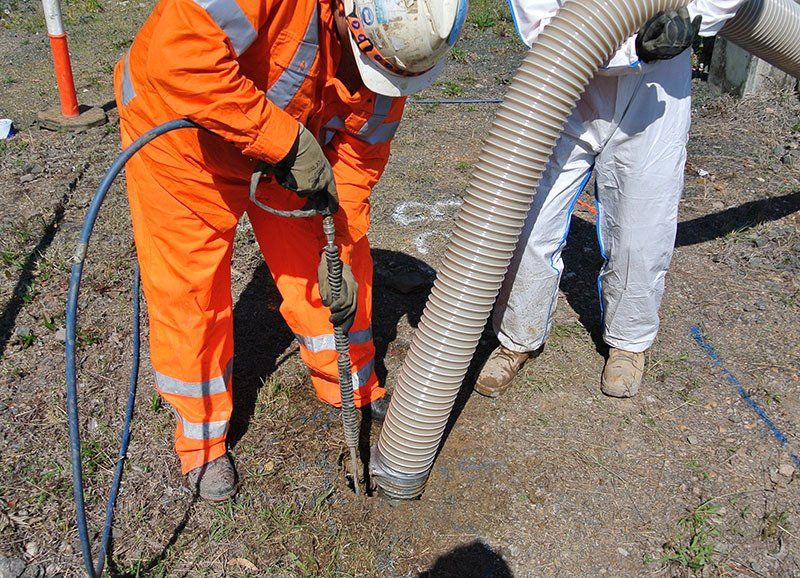
This targeted exposure is commonly known as potholing or service proving.
How NDD Works: Hydro Excavation and Vacuum Excavation Explained
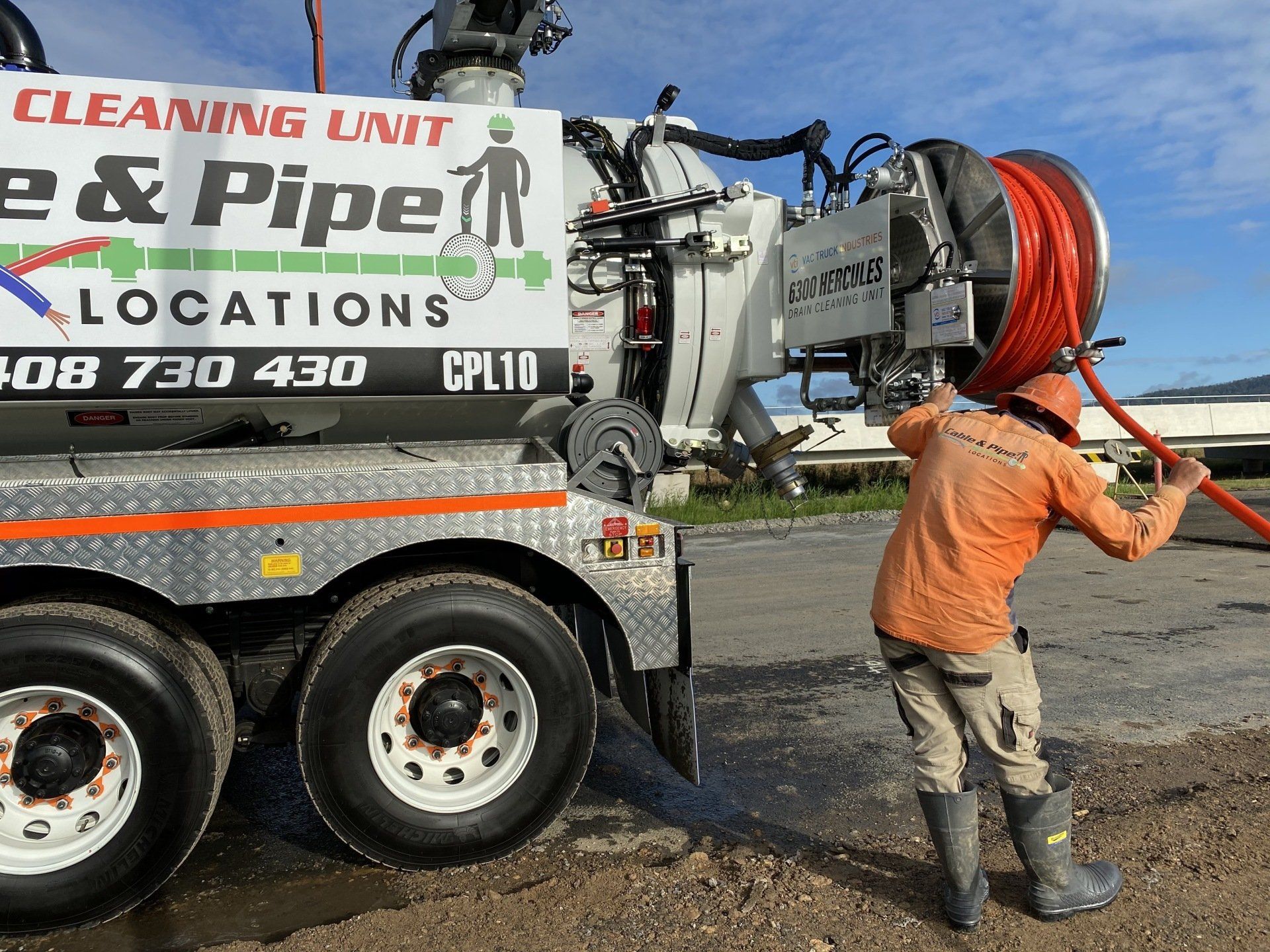
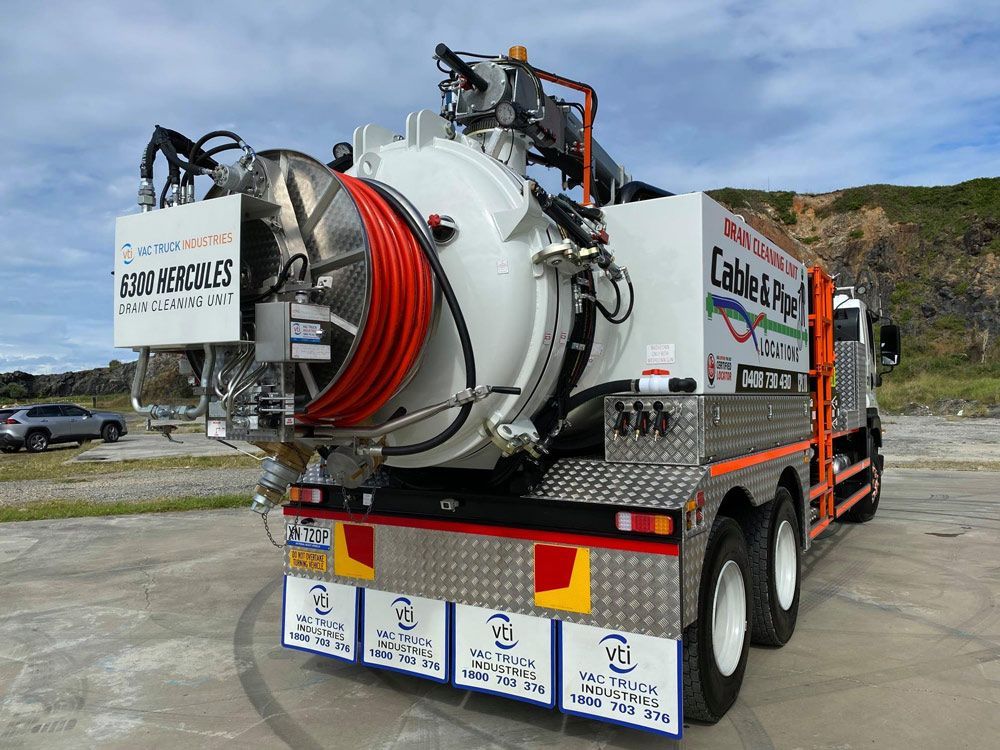
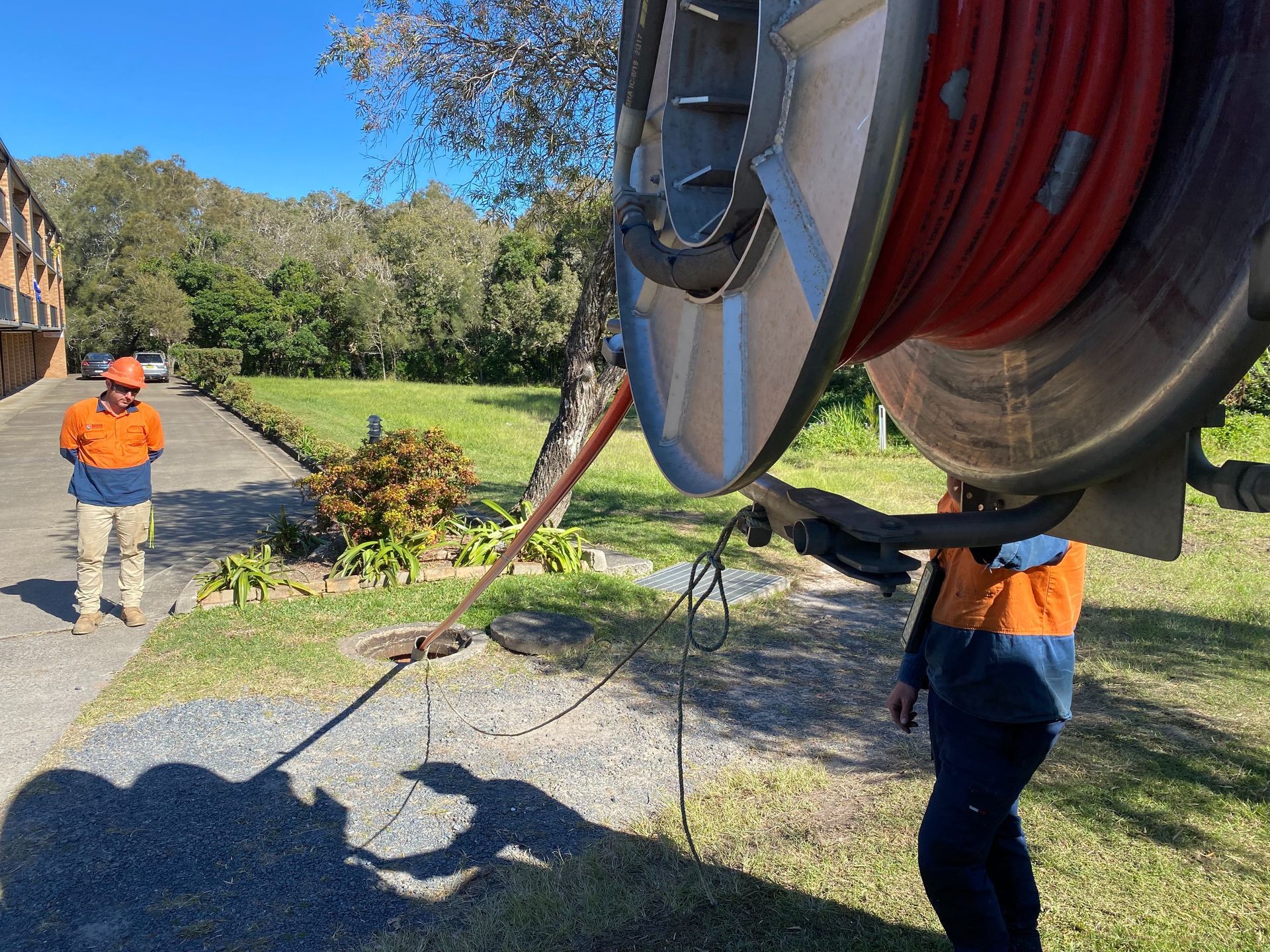
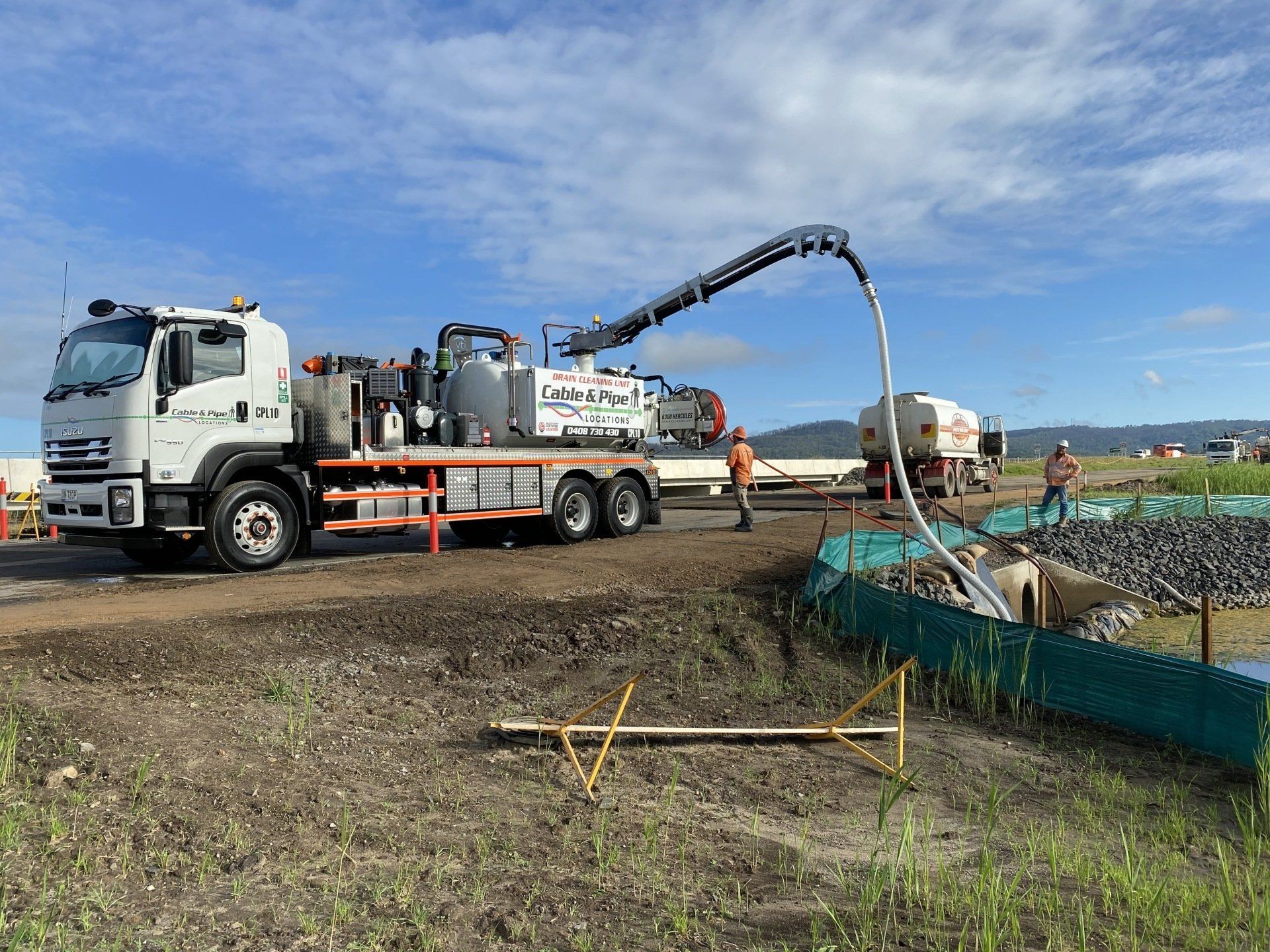
Hydro excavation uses pressurised water to loosen soil. A vacuum system then removes the resulting material into a debris tank, allowing operators to excavate a targeted area without placing an excavator bucket directly beside the utility.
According to industry best practice, a typical process may involve:
- Reviewing utility information and the proposed work area.
- Locating relevant underground services.
- Marking the identified service position.
- Using hydro or vacuum excavation at selected points.
- Exposing enough of the asset to verify its position and depth.
- Recording the results where required by the project.
Vacuum excavation is a broader term for excavation methods that use suction to remove loosened material. The appropriate equipment and method depend on the ground conditions, utility involved, access and project requirements.
If you're sourcing wet hire or comparing providers,
A Step by Step Guide to Hiring a Vacuum Truck Service explains what to consider before engaging a contractor.
When Should You Use Non-Destructive Digging Near Live Utilities?
NDD is particularly useful when work must take place close to known or suspected underground infrastructure and the service needs to be physically verified before excavation proceeds.
Typical applications include:
- Proving electricity and telecommunications routes
- Exposing water, sewer and gas infrastructure
- Potholing before boring or directional drilling
- Checking service depths before trenching
- Confirming crossings between existing utilities and proposed works
- Investigating congested underground corridors
- Supporting road, drainage and civil construction projects.
For example, a contractor preparing a new drainage trench may identify several existing utilities crossing the proposed alignment. Electronic locating can establish their likely positions, while NDD can expose critical crossing points and confirm their actual depths before trench excavation starts.
That gives the project team site-specific information instead of relying on assumed depths or plan information alone.
What Before You Dig Australia (Formerly Dial Before You Dig) Plans Mean for Your Excavation
Before You Dig Australia (BYDA), formerly Dial Before You Dig, provides access to information supplied by participating asset owners. These plans are an important part of planning excavation around underground infrastructure.
However, a plan should not automatically be treated as confirmation of an asset's precise position or depth at the worksite.
Project teams need to consider the information supplied by the relevant asset owner alongside site conditions, locating results, project specifications and safe-work requirements. Where physical confirmation is required, NDD can expose the service at targeted locations.
In practical terms, the process often progresses from plan information to locating and then physical proving.
Always follow the current requirements of the relevant asset owner and project rather than assuming the same excavation procedure applies to every utility.
Why Tenders, Project Specifications and Council Contracts Mandate NDD
Project managers and contractors often encounter NDD as a specified requirement in a tender or scope of works.
A specification may require underground services to be positively identified or physically exposed before mechanical excavation, drilling or construction proceeds. NDD gives the project team a controlled method of completing that investigation.
Requirements can come from the principal contractor, engineer, asset owner, council or another authority involved in the works.
Read the specification carefully. A project may require more than simply completing several potholes. Depending on the scope, records such as depths, photographs, marked locations or other verification information may also be required.
Most importantly, obtaining utility plans does not necessarily satisfy an NDD requirement. Plans, electronic locating and physical exposure each perform a different role.
Why Electronic Cable and Pipe Locating Comes Before NDD
NDD works best when the operator knows where to dig. Creating unnecessary potholes wastes time and may still fail to expose the utility the project needs to verify.
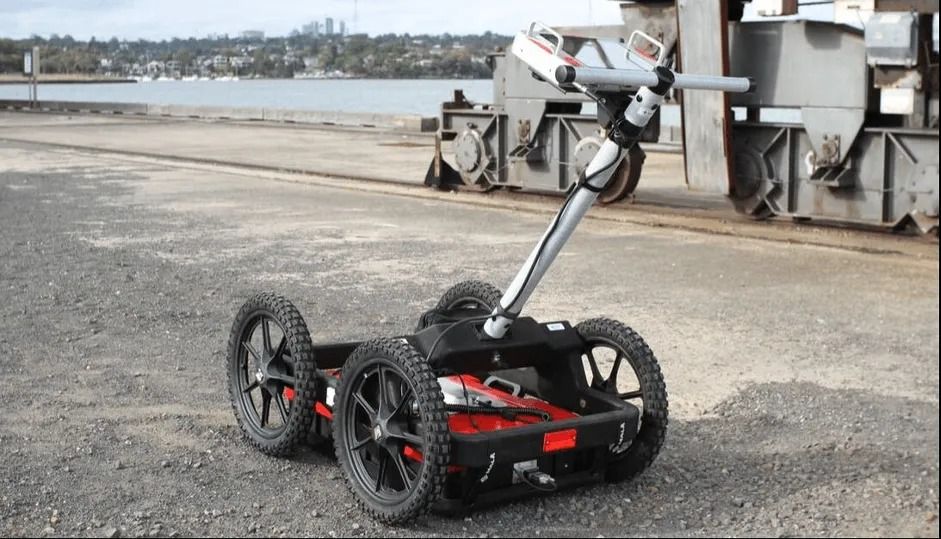
Professional electronic cable and pipe locating helps identify and mark the likely position of detectable underground infrastructure before targeted NDD begins.
The locator can assess available information, visible site features and detectable signals to establish the likely utility route. The NDD operator then excavates at selected locations to physically expose the asset.
A useful way to think about the process is locate first, then prove.
This becomes particularly important in road reserves and established infrastructure corridors where multiple utilities may occupy a relatively confined area.
How to Identify a Qualified NDD Provider in NSW
Choosing an NDD provider should involve more than finding a contractor with a vacuum truck. The operator needs to work safely and effectively within the requirements of utility-adjacent civil and infrastructure projects.
When assessing an NDD excavation NSW provider, consider:
- Experience around underground utilities
- Suitable hydro and vacuum excavation equipment
- Relevant operator competency and training
- Appropriate insurance and safety documentation
- Understanding of utility locating and service proving
- Experience on civil, council or infrastructure sites
- Ability to meet project-specific documentation requirements
- Coverage of your project location.
Provide as much information as possible before the work is scheduled. Site access, ground conditions, expected number of potholes, known utilities and spoil requirements can all affect how the job should be planned.
For hydro excavation hire in Coffs Harbour or elsewhere in regional NSW, also clarify whether the service is wet hire and exactly what equipment and operator support are included.
Hydro Excavation Coffs Harbour and Across Regional NSW
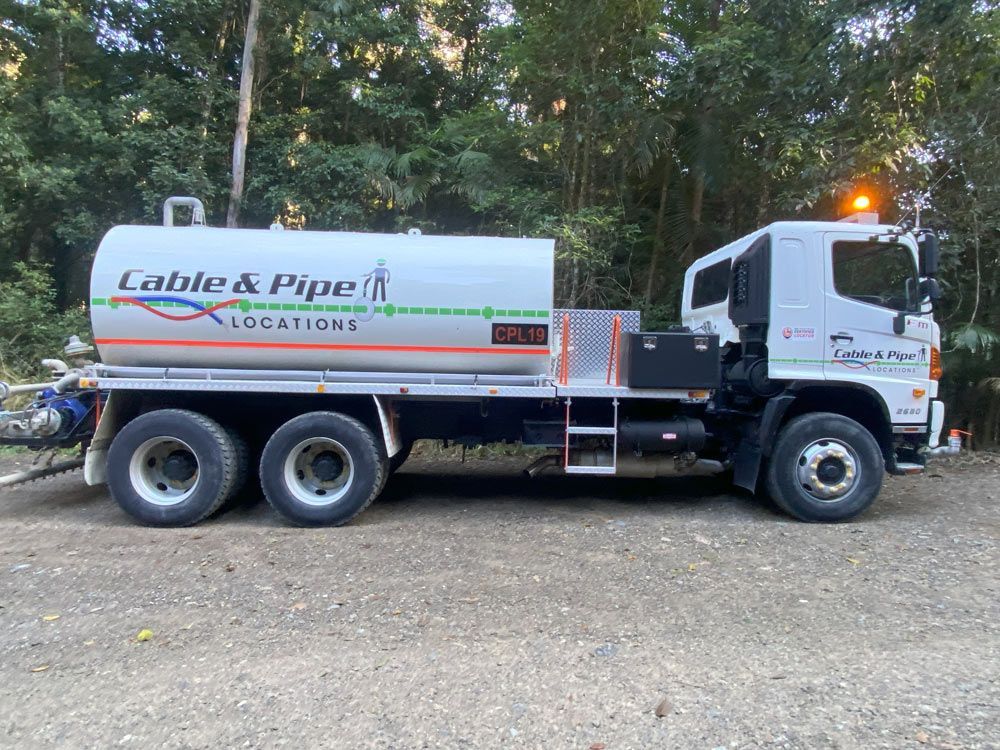
Cable & Pipe Locations provides utility locating and non-destructive excavation services from Woolgoolga for civil, construction, council and infrastructure projects across the NSW North Coast and regional areas.
Our hydro excavation Coffs Harbour service can support potholing, service proving and controlled excavation around existing underground infrastructure. Combining locating and NDD also gives project teams a practical way to identify a service and then physically verify it where required.
For projects further inland, we also provide services including hydro excavation Armidale for regional civil and infrastructure works.
The key takeaway is straightforward: utility plans provide important background information, electronic locating helps establish where services are likely to run, and NDD allows critical assets to be physically exposed and verified. Each step contributes different information to the excavation process.
If your tender, project specification or upcoming works require non-destructive digging, potholing, vacuum truck wet hire or utility locating, contact Cable & Pipe Locations. Our team can discuss your project requirements and arrange the appropriate NDD and hydro excavation Coffs Harbour service for your site.
Frequently Asked Questions
What is the difference between NDD and hydro excavation?
NDD is the broader term for excavation methods designed to expose underground assets while minimising the risk of damage. Hydro excavation is a common NDD method that uses pressurised water to loosen soil and vacuum equipment to remove the excavated material.
What is potholing in excavation?
Potholing is a targeted excavation used to expose an underground utility at a specific point. It allows the project team to verify information such as the asset's actual location and depth before nearby works proceed.
Are Before You Dig Australia plans enough before excavation?
BYDA plans provide important information supplied by participating asset owners, but they should not automatically be considered confirmation of an asset's exact location or depth. Depending on the project and asset-owner requirements, electronic locating and physical proving may also be necessary.
Why use NDD around underground utilities?
NDD provides a controlled way to expose underground infrastructure without relying on conventional mechanical excavation directly beside the asset. This makes it useful for service proving before higher-risk excavation, drilling or construction work begins.
Does NDD replace electronic utility locating?
No. Electronic locating and NDD perform different jobs. Locating identifies and marks the likely position of detectable services, while NDD can then expose the asset at selected points to confirm its physical position.
Where does Cable & Pipe Locations provide NDD services?
Cable & Pipe Locations is based in Woolgoolga and services projects in Coffs Harbour and across regional NSW, including inland areas such as Armidale. Contact the team with your site location and project scope to discuss availability and requirements.