Hydro Excavation Safety: Regulations & Best Practices for NSW Sites
Every civil project that breaks ground carries risk, which is why the hydro excavation Coffs Harbour crews depend on has become standard practice near live services. Underground networks across regional New South Wales are dense, ageing and often poorly documented, and a single strike can shut a site down for days. For the engineers, supervisors and council project managers approving this work, the question is not simply which method digs fastest. It is which method satisfies the legal obligations that sit behind every excavation permit.
Why Hydro Excavation Safety Matters on NSW Civil Sites
Mechanical excavation near buried assets puts steel against infrastructure that may carry high-voltage power, pressurised gas or potable water. The consequences of contact extend well past a damaged pipe.
Hydro excavation safety matters because a strike typically triggers several problems at once:
- Injury risk to the crew: Contact with live electrical cabling or pressurised gas can cause serious harm to anyone in the immediate work area.
- Service disruption to the community: Damage to a trunk main or fibre route can affect thousands of residents and businesses well beyond the site boundary.
- Project delay and cost: Repair works, asset owner involvement and site stand-downs often extend far longer than the excavation itself.
- Regulatory exposure: A preventable strike invites scrutiny of whether reasonable control measures were in place before work began.
Water-based excavation removes soil without introducing a cutting edge near the asset, which is why it has become the accepted approach for exposing services on infrastructure projects.
Duty of Care Under the Work Health & Safety Act
The Work Health and Safety Act 2011 (NSW) places a primary duty of care on any person conducting a business or undertaking. That duty requires you to ensure, so far as is reasonably practicable, the health and safety of workers and others affected by your work.
For excavation, this duty generally means:
- Identifying hazards before work starts: Buried services are a foreseeable hazard on almost any civil site, so their presence must be assumed rather than ruled out.
- Eliminating or minimising risk: Where a hazard cannot be removed, you are expected to apply the highest level of control that is reasonably practicable.
- Engaging competent people: Work near underground assets should be carried out by operators with demonstrated training and experience.
- Consulting across duty holders: Principal contractors, subcontractors and asset owners often share responsibility for the same excavation.
Duty of care applies to the decision to approve a method as much as to the digging itself. Selecting a lower-risk technique is one of the clearest ways to show the obligation was taken seriously, and it explains why hydro excavation in Coffs Harbour is now the default method for exposing buried assets.
SafeWork NSW Requirements for Excavation Near Utilities
SafeWork NSW excavation guidance treats work near underground essential services as a high-risk activity requiring specific planning. Understanding hydro excavation regulations in NSW begins with recognising that the regulator expects documented preparation, not on-the-spot judgement.
Expectations for excavation near utilities generally include:
- A safe work method statement: High-risk construction work involving nearby essential services requires a documented SWMS prepared before the activity begins.
- Confirmed asset information: Plans should be obtained, reviewed and interpreted by someone competent to do so.
- Physical verification on site: Plans indicate approximate positions only, so the actual location of an asset generally needs to be confirmed in the field.
- Controlled work near the asset: Once a service is identified, excavation within the surrounding zone is expected to use non-mechanical methods.
- Emergency response planning: Crews should know what to do and who to notify if an asset is contacted.
Meeting these expectations is less about paperwork than about sequence. Each step has to happen before the next one can be relied on.
The Role of Before You Dig Australia in Safe Digging Practices
Before You Dig Australia, formerly Dial Before You Dig, is the national referral service that connects excavators with asset owners. Lodging an enquiry is free and returns plans from participating utilities covering the nominated work area.
Safe digging practices in NSW start with a BYDA enquiry, but the enquiry alone does not discharge your obligations. Plans have real limitations that site teams need to account for:
- Positional accuracy varies: Records show indicative alignments and depths rather than surveyed positions.
- Coverage is not complete: Privately owned assets, older connections and abandoned services frequently do not appear on any plan.
- Ground conditions change: Resurfacing, regrading and past works can alter cover depths from what the records show.
- Validity has a time limit: Plans are issued for a specific enquiry and need to be refreshed if the work is delayed or the scope shifts.
A BYDA response is the starting point for planning excavation. Treating it as confirmation of what lies below the surface is where many strikes begin.
Locating Buried Assets Before Any Excavation Begins
Once plans are in hand, the next step is confirming what is actually there. Electronic cable and pipe locating uses electromagnetic detection to trace conductive services, while ground penetrating radar images subsurface features that electronic methods cannot pick up, including some non-metallic pipes and voids.
A thorough locating process usually covers:
- Marking asset alignments on the surface: Clear, standardised markings give the excavation crew a visible reference throughout the works.
- Cross-checking against supplied plans: Discrepancies between records and field results are common and need resolving before digging starts.
- Searching for unrecorded services: Sweeping the full work area helps identify assets that never made it onto a plan.
- Documenting the findings: A written record supports the SWMS and gives the project team something to rely on later.
Utility protection during excavation depends on this stage being done properly. Positive identification allows the asset to be physically exposed and verified, which is where excavation method selection becomes critical.
How Non-Destructive Digging Reduces Strike Risk & Downtime
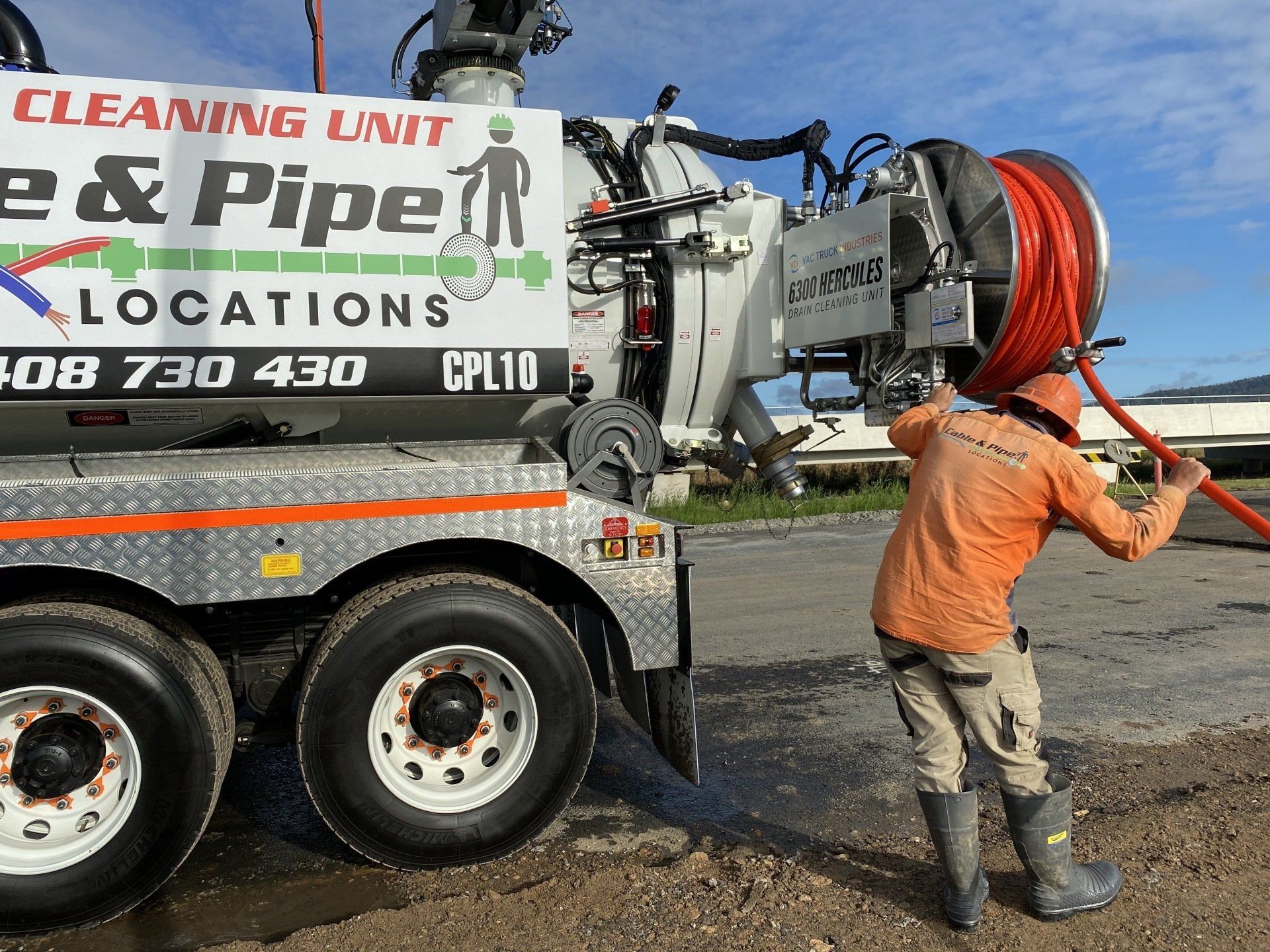
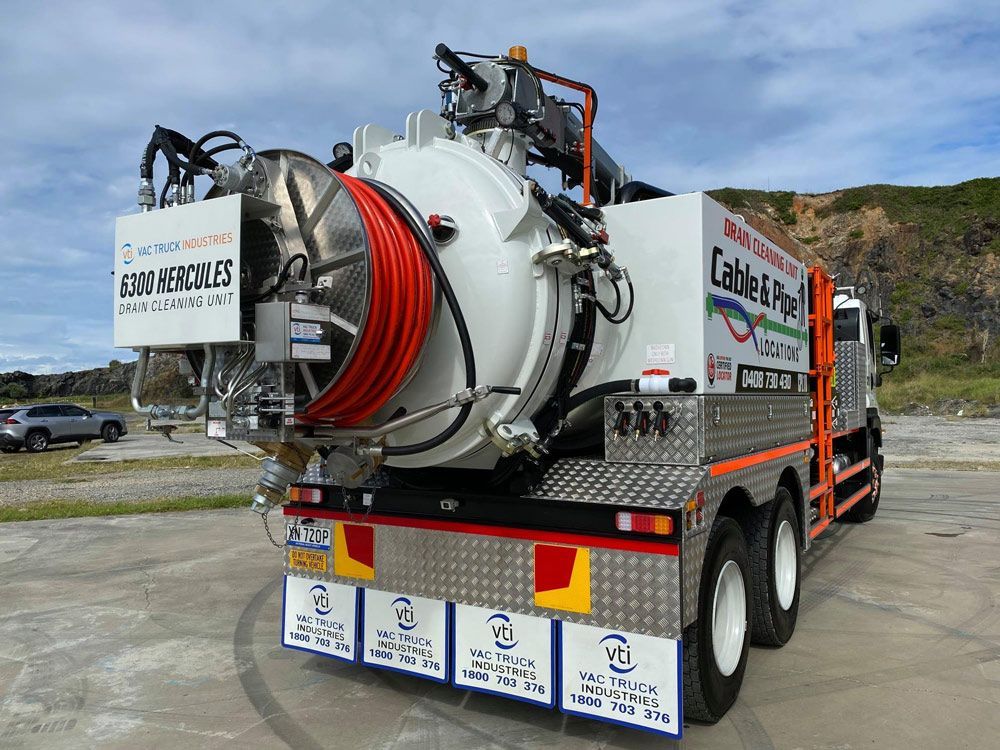
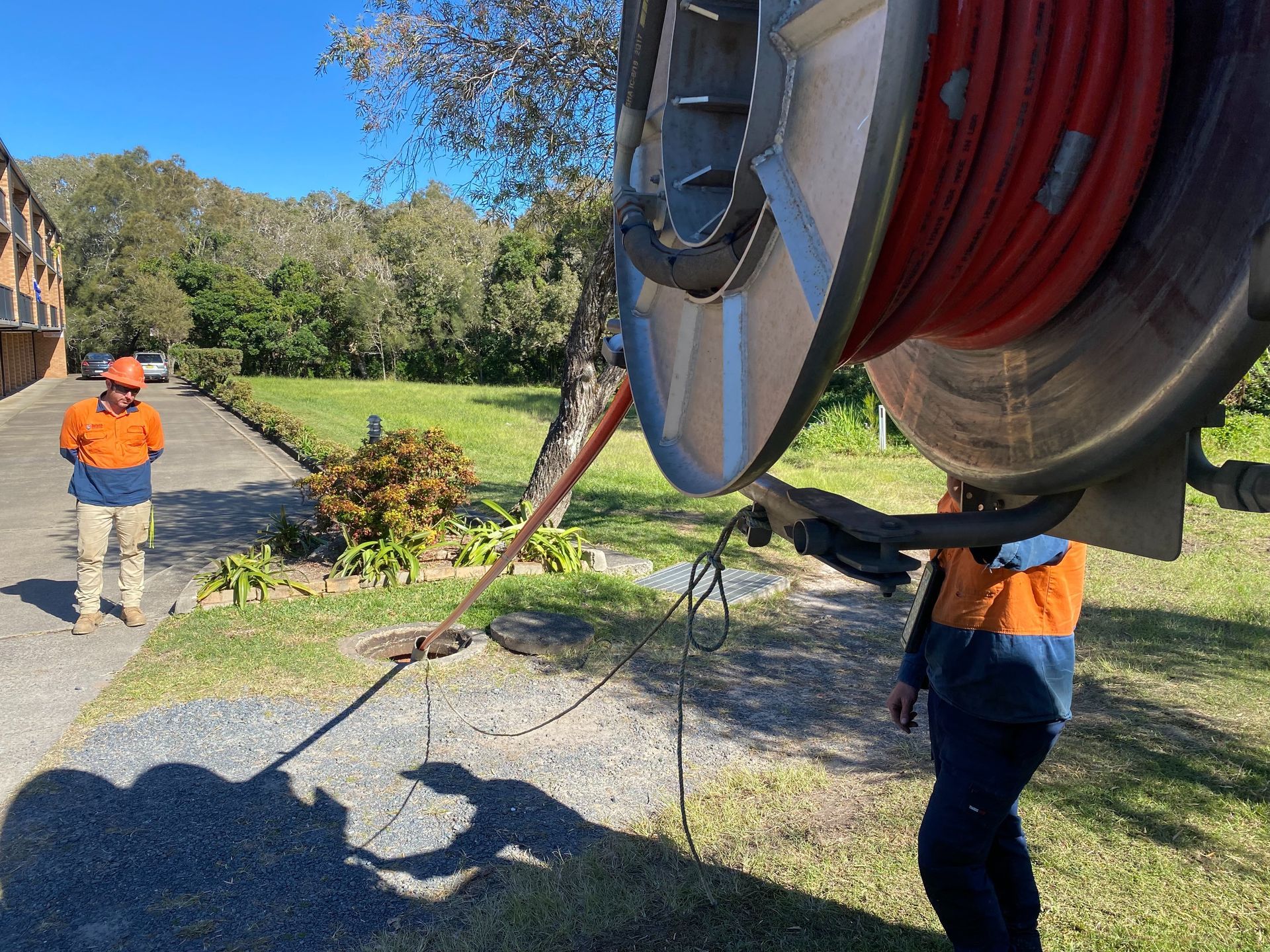
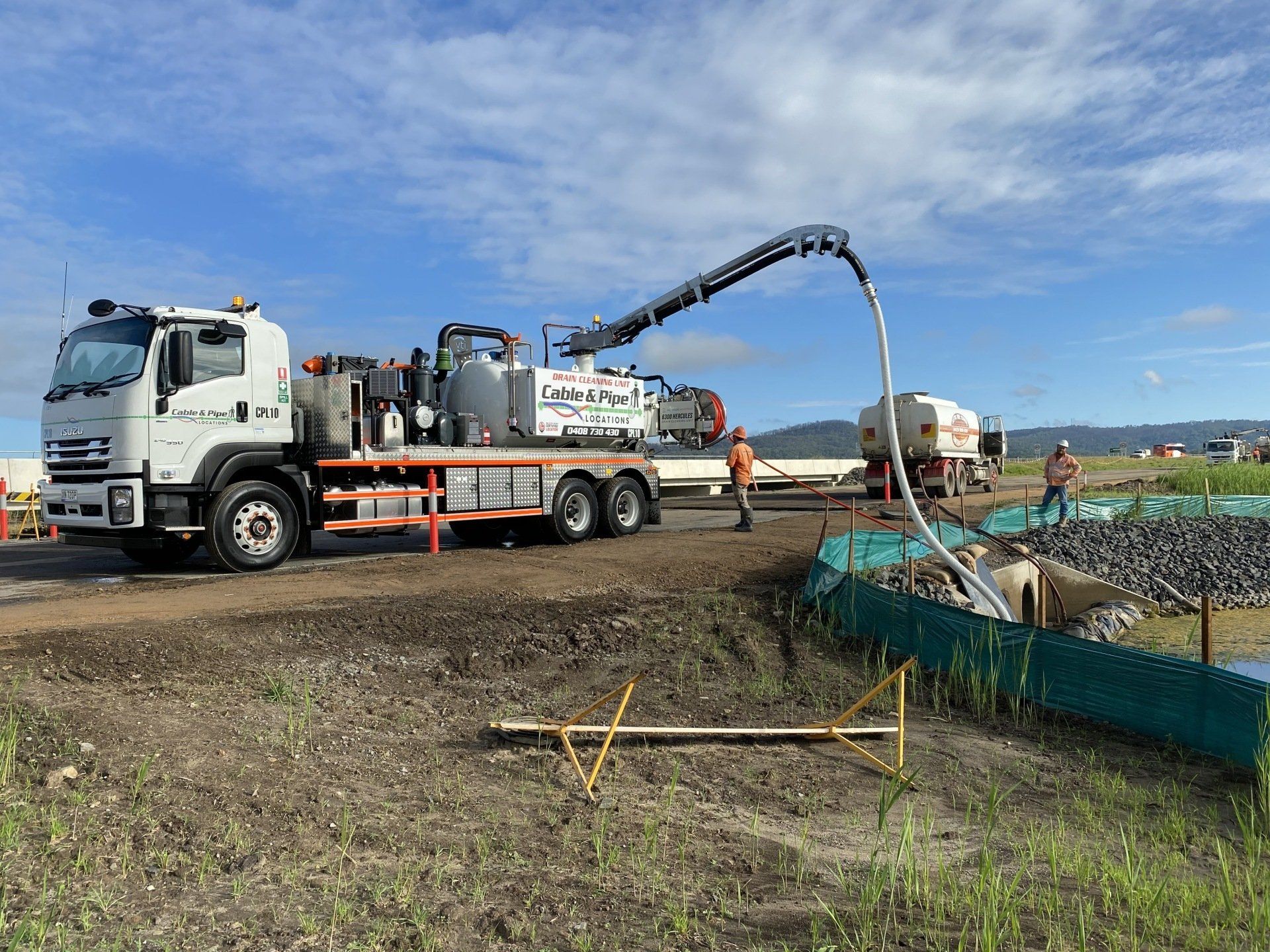
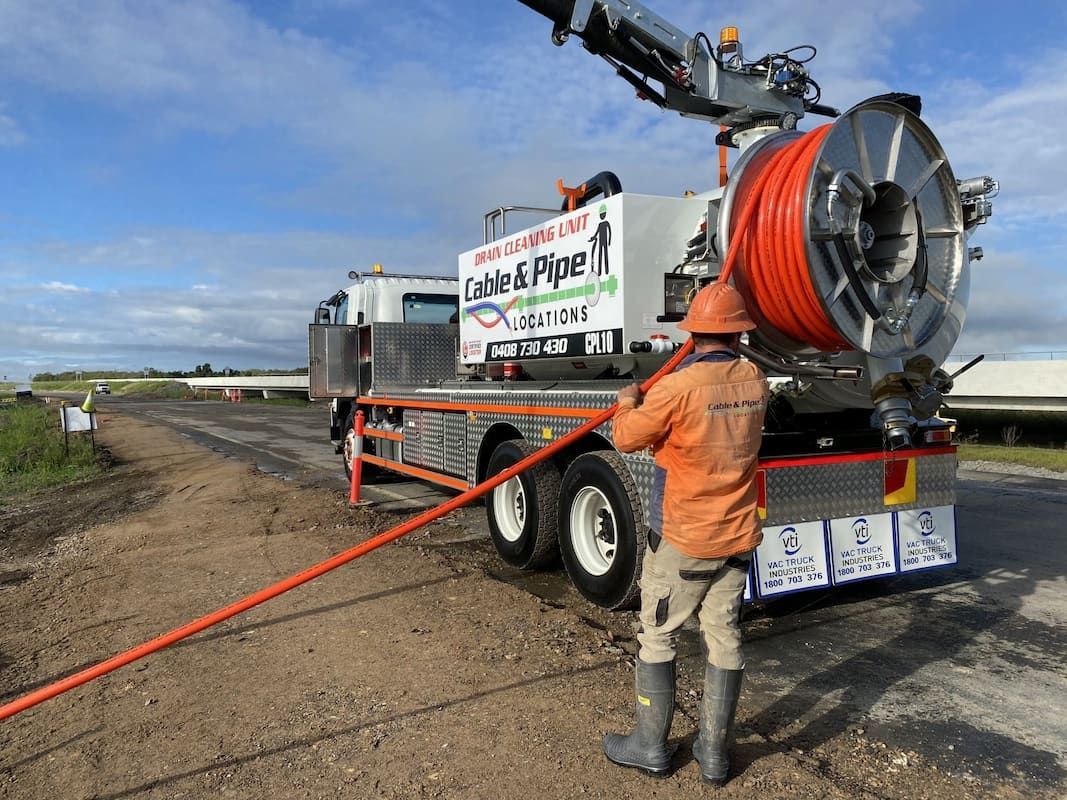
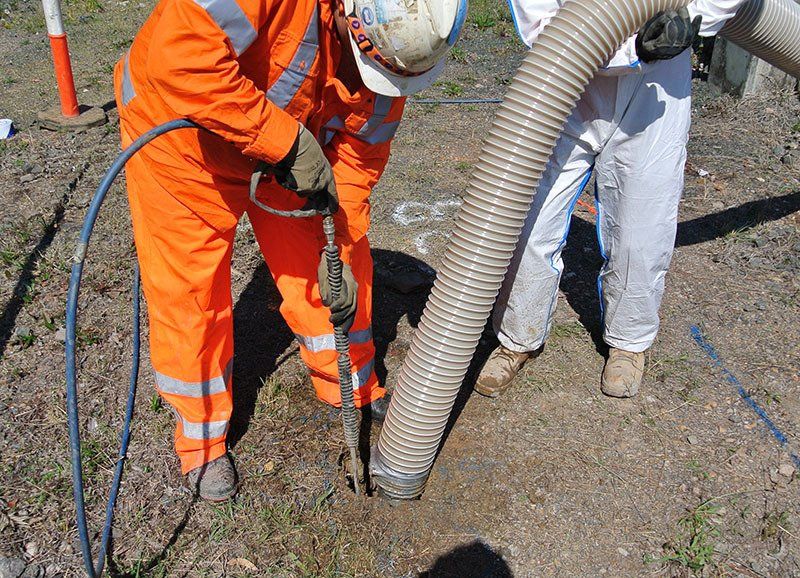
Hydro vacuum excavation in Coffs Harbour and across the region uses pressurised water to break up soil, with the resulting slurry drawn into an onboard debris tank. Nothing rigid or sharp goes near the service.
Non-destructive digging in NSW offers practical advantages that go beyond compliance:
- Precision around live assets: Water displaces soil without cutting into cable sheathing, conduit or pipe walls.
- Reduced reinstatement: Neat, contained excavations mean smaller repairs to pavement, kerbs and landscaping.
- Effectiveness in difficult ground: Compacted clay, rocky material and tree-root zones can be excavated where hand digging becomes impractical.
- Contained spoil handling: Material collected in the tank keeps the work area tidier and simplifies disposal.
- Fewer crew on the exposure task: The method typically requires less labour than manual potholing over the same area.
For a broader overview of why hydro excavation reduces risk on site, the article Why Hydro Excavation Is The Smart Choice For Safe Digging covers the method in more detail.
Why Engaging a CERTLOC-Certified Operator Meets Compliance Expectations
CERTLOC certification recognises locating organisations that have met national standards for training, technical capability and safety practice. For a project team documenting how competent people were engaged, certification provides an independent benchmark rather than a supplier's own assurance.
Points worth checking when appointing an operator:
- Current certification status: Confirm the organisation holds CERTLOC certification rather than assuming it from general industry experience.
- Asset owner accreditations: Work near telecommunications infrastructure often requires specific carrier approvals in addition to general certification.
- Combined locating and excavation capability: Engaging one provider for detection and exposure removes the handover gap where errors tend to occur.
- Documentation provided: Marked plans and written records support your SWMS and give the project a defensible trail.
Certification does not remove your duty of care, but it does give you a clear basis for showing that the duty was discharged with care.
Regional Coverage: Hydro Excavation Across Coffs Harbour, Kempsey & the Mid North Coast
Compliance obligations do not change with postcode, but conditions on the ground certainly do. Sites across the Mid North Coast range from tight urban streets with congested service corridors to rural alignments where records are sparse and older, undocumented assets are common. Coastal soils, reactive clays and established root systems all affect how an excavation is approached.
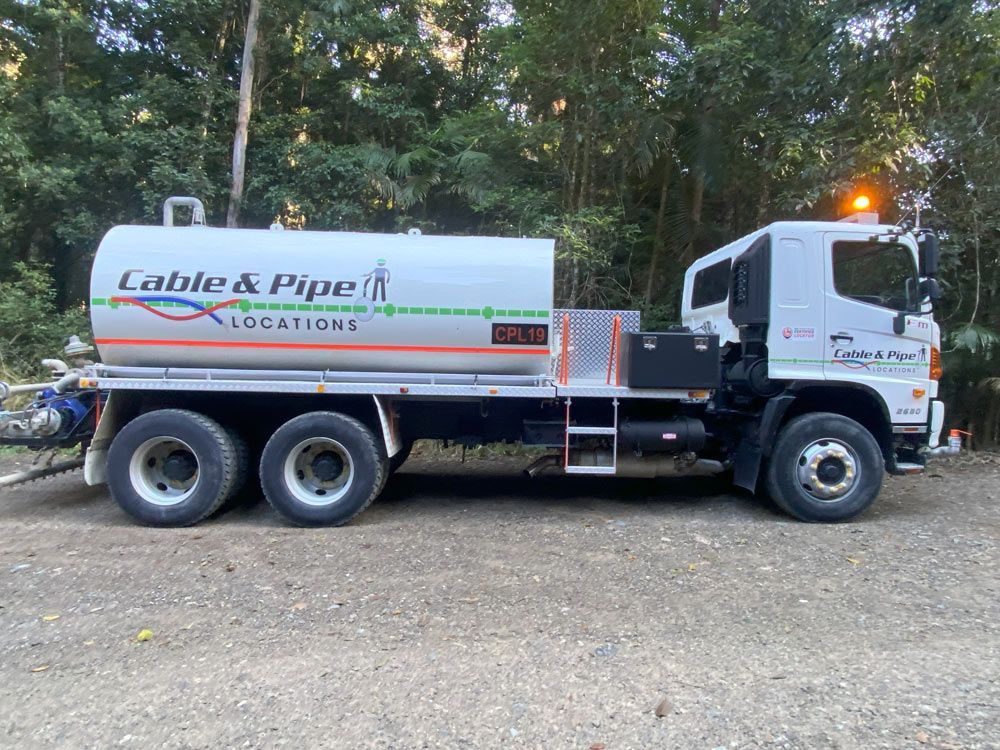
Cable & Pipe Locations is a CERTLOC Certified Locating Organisation covering Coffs Harbour, the wider Mid North Coast and hydro excavation in Kempsey. Get in touch before your crew breaks ground.
Frequently Asked Questions
Is hydro excavation a legal requirement in NSW?
No specific law names the method, but the Work Health and Safety Act 2011 (NSW) requires risk to be minimised so far as is reasonably practicable. Where mechanical digging near a live service carries strike risk, non-destructive digging is generally the control measure expected.
Do I still need to lodge a Before You Dig Australia enquiry?
Yes. A BYDA enquiry is the standard first step and returns asset plans from participating utilities. Those plans show indicative positions only, so on-site locating and physical verification are still needed before excavation begins.
What does CERTLOC certification mean?
CERTLOC is a national certification recognising locating organisations that meet set standards for training, technical capability and safety practice. It gives project teams an independent way to confirm an operator is competent.
How deep can hydro excavation dig?
Depth depends on soil conditions, access and the unit deployed. For utility exposure work the target is usually the depth of the asset being verified, which is typically well within the range of a standard vacuum excavation unit.