What Does Hydro Excavation Cost? A Guide for NSW Projects
Hydro excavation cost in NSW depends on the size of the dig, site access, soil conditions and how long the truck is needed on site. Most providers, including those offering hydro excavation in Coffs Harbour, price jobs by wet hire rates rather than a fixed fee, which is why quotes can vary so much between projects. Understanding what drives vacuum excavation pricing puts you in a stronger position to compare quotes and budget accurately before work begins.
What Is Hydro Excavation and Why Cost Varies by Project
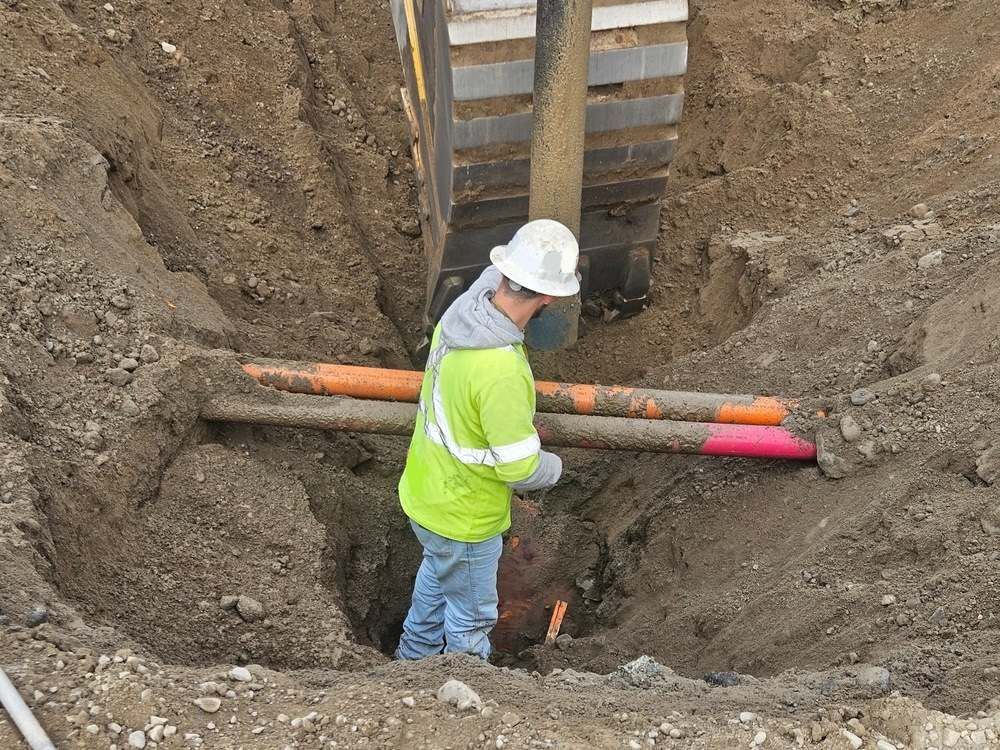
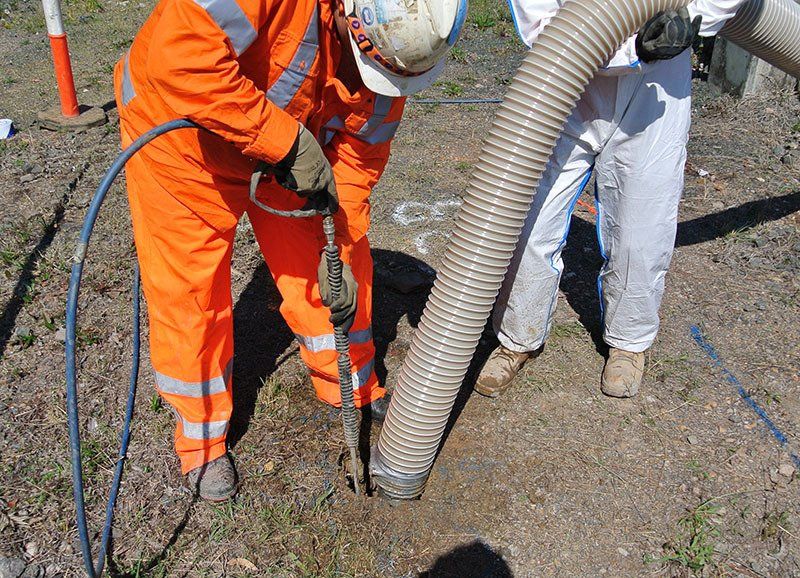
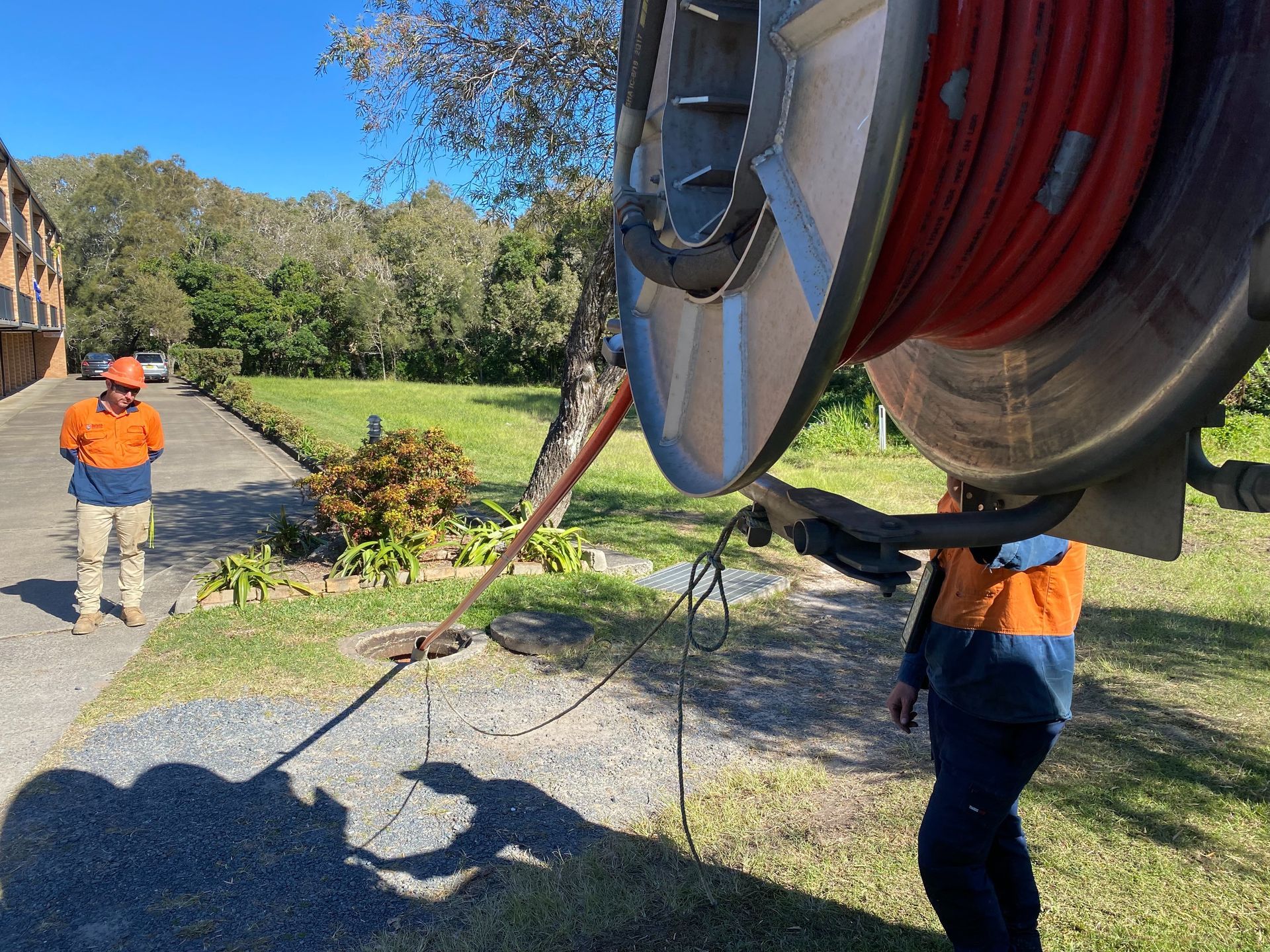
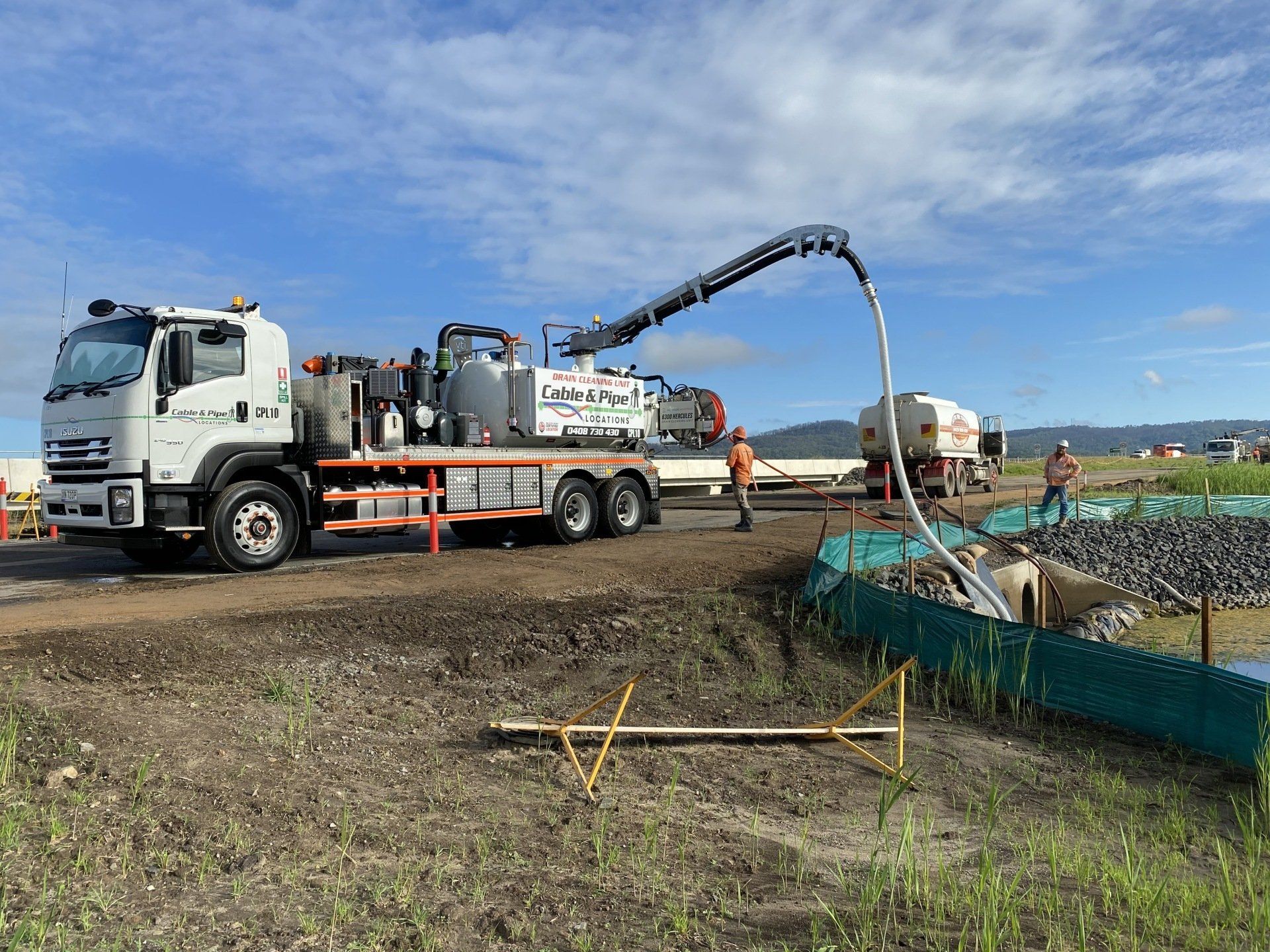
Hydro excavation, also known as hydro vacuum excavation or non-destructive digging, uses high-pressure water to break up soil while a powerful vacuum removes the loosened material into a holding tank. Because the process exposes underground assets without mechanical digging, it significantly reduces the risk of striking gas lines, water mains, telecommunications connections or electrical cables.
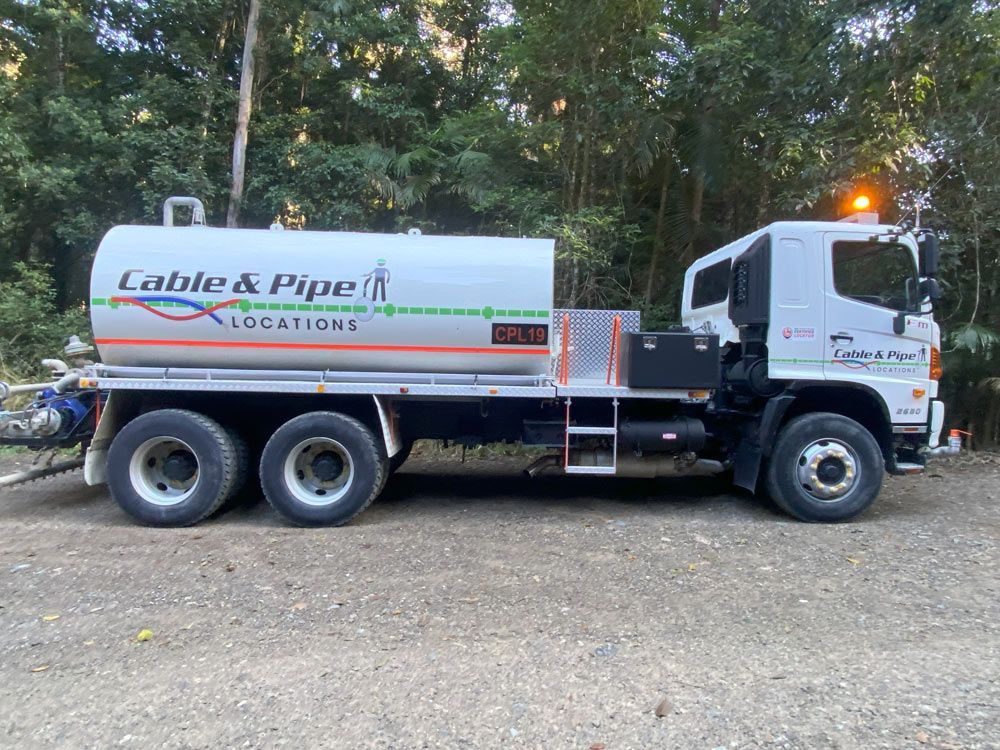
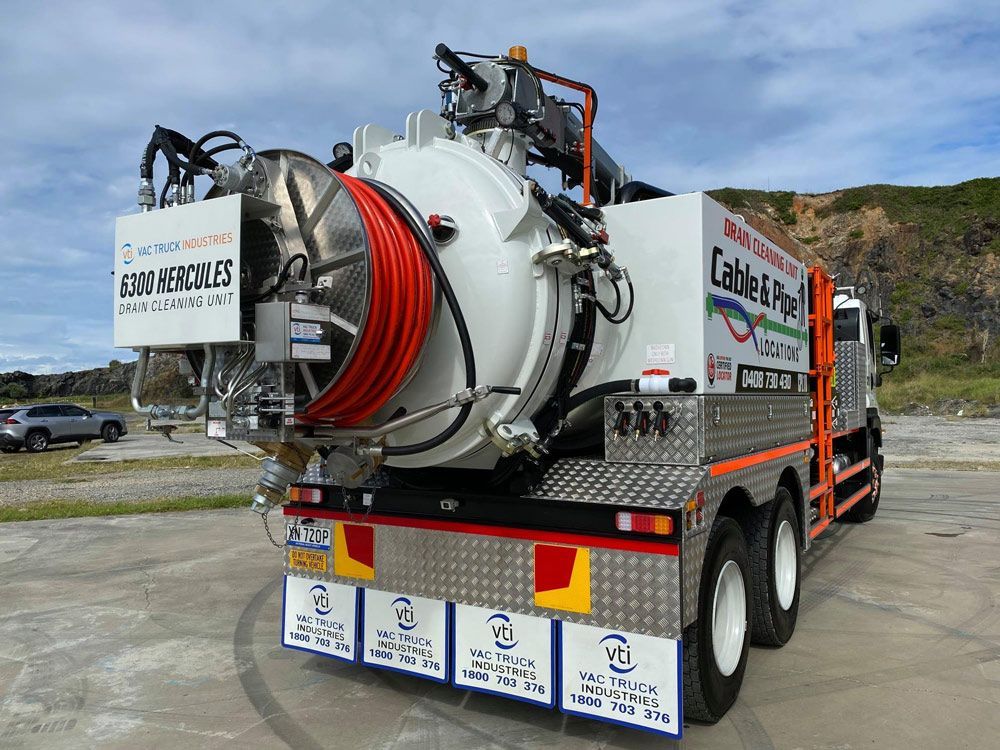
No two hydro excavation jobs are the same, and that's the main reason there's no single answer to how much does hydro excavation cost. Exposing a single service connection in a suburban front yard is a very different job to potholing dozens of utility crossings along a highway corridor. The equipment required also varies; a compact vacuum unit suits tight residential sites, while major civil projects may call for trucks with capacities of up to 63,000 litres.
Rather than quoting a flat rate, reputable operators assess each site and provide an estimate based on the specific scope. This protects you from paying for capacity you don't need and ensures the right truck arrives for the job.
Key Factors That Affect Hydro Excavation Pricing
When you request hydro excavation hire in Coffs Harbour or anywhere across Northern NSW, the quote will typically reflect four main variables.
- Job size & scope: The number of potholes, the depth of excavation and the volume of spoil to be removed all influence how long the truck is on site
- Site access: Tight access, steep terrain or work near live traffic can require smaller units, traffic control or additional setup time
- Soil type: Sandy coastal soils break up quickly, while heavy clay or compacted fill takes longer to cut and vacuum, extending hire duration
- Duration & travel: Wet hire is generally charged by the hour or day, so travel distance to regional sites and total time on the job both factor into the final figure
Spoil disposal is another consideration worth clarifying upfront. Once the tank is full, the material needs to be transported and disposed of appropriately, and some quotes include this while others list it separately.
The best way to keep costs down is preparation. Clear access for the truck, accurate site information and existing utility plans or Before You Dig Australia referrals all help the operator work efficiently from the moment they arrive.
Hydro Excavation Cost vs Traditional Excavation: Factoring in Damage Risk
On an hourly rate comparison, hydro excavation can appear more expensive than a standard excavator and operator. That comparison only tells part of the story.
Striking an underground utility with a mechanical bucket carries serious financial consequences. Repair costs for damaged assets, project delays while services are restored, potential fines and liability exposure can far exceed any savings on the dig itself. Damaging critical services also breaches Australian standards, which is why professional utility identification is required before excavation work begins.
Non-destructive digging cost in NSW should therefore be weighed against total project risk, not just the day rate. Consider a contractor trenching near a marked but unverified fibre optic route. An example scenario: spending a few hours potholing with a vacuum truck to visually confirm the cable's exact depth and alignment costs a fraction of what a fibre strike would, both in repair bills and downtime for surrounding businesses.
Hydro excavation also tends to require less labour and less site reinstatement than open trenching. Smaller, more precise holes mean less backfill, less restoration and a faster return to normal operations, which all feed back into the true cost comparison.
What to Ask For When Getting a Hydro Excavation Quote in Coffs Harbour
A detailed quote makes it far easier to compare providers and avoid surprises on the invoice. When requesting vacuum excavation pricing, ask for the following:
- Hourly or daily wet hire rate, including the operator
- Minimum hire periods & travel charges for regional sites
- Truck capacity being supplied & whether it suits your scope
- Spoil transport & disposal arrangements
- Traffic control or additional site requirements, if applicable
- Certifications & accreditations held by the operator
That last point matters more than many project managers realise. Operators certified through recognised locating schemes, with accreditations for working on Telstra and Optus networks, bring verified training and compliance to your site. Cable & Pipe Locations is a CERTLOC Certified Locating Organisation, and the team's experience spans NBN projects and work on the Coffs Harbour bypass.
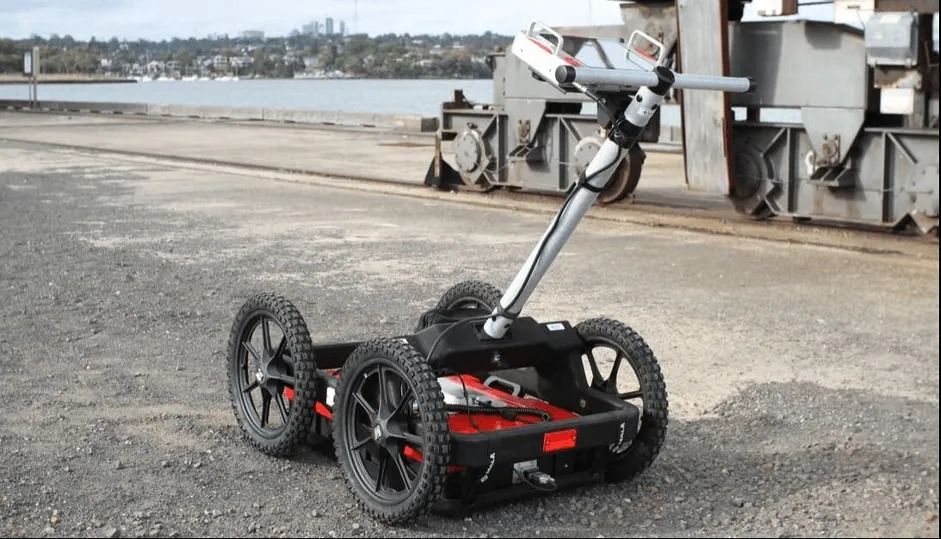
It's also worth asking whether the provider can handle utility locating before excavation begins. Combining electronic locating or ground penetrating radar with hydro excavation through one provider streamlines the process and often reduces overall cost, as the potholing crew arrives already knowing where the services sit.
Servicing Coffs Harbour, Grafton and Port Macquarie
Regional projects come with their own pricing considerations, mainly around travel and equipment availability. Working with a locally based provider reduces mobilisation costs compared with bringing trucks up from Sydney or Newcastle.
Cable & Pipe Locations services the NSW North Coast and beyond, covering Coffs Harbour, Woolgoolga, Grafton, Yamba, Kempsey, Port Macquarie, Taree, Armidale, Tamworth, Inverell, Moree and Gunnedah. Whether you need hydro excavation in Grafton for a council upgrade or hydro excavation in Port Macquarie for a residential subdivision, the same fleet and the same certified team handle the work.
With vacuum trucks available for wet hire in capacities from 3,000 litres up to 63,000 litres, the fleet scales from small service connections through to major civil and highway projects. The team recommends the optimal unit for your specific needs and budget, so you're not paying for a larger truck than the job requires.
Get an Accurate Hydro Excavation Quote
The honest answer to what hydro excavation costs is that it depends on your site, and any provider quoting a fixed price without assessing the job first should raise questions. A brief site assessment allows for an accurate estimate based on access, soil conditions, scope and duration, giving you a figure you can actually budget against.
We at Cable & Pipe Locations provide hydro excavation across Coffs Harbour, Grafton, Port Macquarie and the wider Northern NSW region, with wet hire vacuum trucks, certified locators and decades of local project experience behind every quote. Coastal soils, tight regional access and busy highway corridors each bring their own challenges, and our team plans for them from the outset. Contact us today to discuss your project and receive an accurate hydro excavation quote, or ask about combining our locating, GPR and vacuum excavation services to keep your next dig safe, compliant and on budget.
Frequently Asked Questions
How much does hydro excavation cost in NSW?
There's no standard flat rate, as pricing depends on job size, site access, soil type and hire duration. Most providers charge wet hire rates by the hour or day, with a site assessment used to provide an accurate estimate before work begins.
Is hydro excavation more expensive than traditional digging?
The hourly rate can be higher than a standard excavator, but hydro excavation eliminates the risk of striking underground services. When you factor in potential repair costs, project delays and reinstatement, non-destructive digging is often the more economical choice near utilities.
What size vacuum truck do I need for my project?
It depends on the volume of spoil and your site access. Trucks range from compact 3,000 litre units for residential work up to 63,000 litre units for major civil projects, and your provider will recommend the right fit after reviewing your scope.
Do I need utility locating before hydro excavation?
Identifying underground utilities before any excavation is required under Australian standards. Many providers, including Cable & Pipe Locations, offer electronic locating and ground-penetrating radar alongside hydro excavation, so both stages can be handled together.
Does hydro excavation work in clay soil?
Yes, though heavy clay takes longer to break up and vacuum than sandy coastal soil, which can increase hire time. Your operator will factor soil conditions into the quote after assessing the site.